 |
John Steinbeck at Top Ten Books |
 amazon.com
 amazon.uk
 amazon.ca
 amazon.fr
 amazon.de
 amazon.jp
|
 John
Ernst Steinbeck
John
Ernst Steinbeck Episode 2: Reaping the Whirlwind -John Steinbeck - The Steinbeck Centennial Collection: The Grapes of Wrath, Of Mice and Men, East of Eden, The Pearl, Cannery Row, Travels With Charley In Search of America (Boxed Set) Description: No writer is more quintessentially American than John Steinbeck. Born in 1902 in Salinas, California, Steinbeck attended Stanford University before working at a series of mostly blue-collar jobs and embarking on his literary career. Profoundly committed to social progress, he used his writing to raise issues of labor exploitation and the plight of the common man, penning some of the greatest American novels of the twentieth century and winning such prestigious awards as the Pulitzer Prize and the National Book Award. He received the Nobel Prize in 1962, "for his realistic and imaginative writings, combining as they do sympathetic humour and keen social perception." Today, more than thirty years after his death, he remains one of America's greatest writers and cultural figures. Episode 2: Reaping the Whirlwind -John Steinbeck - The Steinbeck Centennial Collection: The Grapes of Wrath, Of Mice and Men, East of Eden, The Pearl, Cannery Row, Travels With Charley In Search of America (Boxed Set) Description: No writer is more quintessentially American than John Steinbeck. Born in 1902 in Salinas, California, Steinbeck attended Stanford University before working at a series of mostly blue-collar jobs and embarking on his literary career. Profoundly committed to social progress, he used his writing to raise issues of labor exploitation and the plight of the common man, penning some of the greatest American novels of the twentieth century and winning such prestigious awards as the Pulitzer Prize and the National Book Award. He received the Nobel Prize in 1962, "for his realistic and imaginative writings, combining as they do sympathetic humour and keen social perception." Today, more than thirty years after his death, he remains one of America's greatest writers and cultural figures. The boxed set, containing deluxe trade paperback editions with french flaps, is being released in honor of the Steinbeck centennial being celebrated throughout 2002. Penguin Putnam Inc, in partnership with the Steinbeck Foundation and the Great Books Foundation is sponsoring numerous events throught the year. List Price:$2.99 |
 Cannery Row -John Steinbeck - The Steinbeck Centennial Collection: The Grapes of Wrath, Of Mice and Men, East of Eden, The Pearl, Cannery Row, Travels With Charley In Search of America (Boxed Set) Description: No writer is more quintessentially American than John Steinbeck. Born in 1902 in Salinas, California, Steinbeck attended Stanford University before working at a series of mostly blue-collar jobs and embarking on his literary career. Profoundly committed to social progress, he used his writing to raise issues of labor exploitation and the plight of the common man, penning some of the greatest American novels of the twentieth century and winning such prestigious awards as the Pulitzer Prize and the National Book Award. He received the Nobel Prize in 1962, "for his realistic and imaginative writings, combining as they do sympathetic humour and keen social perception." Today, more than thirty years after his death, he remains one of America's greatest writers and cultural figures. Cannery Row -John Steinbeck - The Steinbeck Centennial Collection: The Grapes of Wrath, Of Mice and Men, East of Eden, The Pearl, Cannery Row, Travels With Charley In Search of America (Boxed Set) Description: No writer is more quintessentially American than John Steinbeck. Born in 1902 in Salinas, California, Steinbeck attended Stanford University before working at a series of mostly blue-collar jobs and embarking on his literary career. Profoundly committed to social progress, he used his writing to raise issues of labor exploitation and the plight of the common man, penning some of the greatest American novels of the twentieth century and winning such prestigious awards as the Pulitzer Prize and the National Book Award. He received the Nobel Prize in 1962, "for his realistic and imaginative writings, combining as they do sympathetic humour and keen social perception." Today, more than thirty years after his death, he remains one of America's greatest writers and cultural figures. The boxed set, containing deluxe trade paperback editions with french flaps, is being released in honor of the Steinbeck centennial being celebrated throughout 2002. Penguin Putnam Inc, in partnership with the Steinbeck Foundation and the Great Books Foundation is sponsoring numerous events throught the year. List Price:$9.99 |
 Of Mice And Men -John Steinbeck - The Steinbeck Centennial Collection: The Grapes of Wrath, Of Mice and Men, East of Eden, The Pearl, Cannery Row, Travels With Charley In Search of America (Boxed Set) Description: No writer is more quintessentially American than John Steinbeck. Born in 1902 in Salinas, California, Steinbeck attended Stanford University before working at a series of mostly blue-collar jobs and embarking on his literary career. Profoundly committed to social progress, he used his writing to raise issues of labor exploitation and the plight of the common man, penning some of the greatest American novels of the twentieth century and winning such prestigious awards as the Pulitzer Prize and the National Book Award. He received the Nobel Prize in 1962, "for his realistic and imaginative writings, combining as they do sympathetic humour and keen social perception." Today, more than thirty years after his death, he remains one of America's greatest writers and cultural figures. Of Mice And Men -John Steinbeck - The Steinbeck Centennial Collection: The Grapes of Wrath, Of Mice and Men, East of Eden, The Pearl, Cannery Row, Travels With Charley In Search of America (Boxed Set) Description: No writer is more quintessentially American than John Steinbeck. Born in 1902 in Salinas, California, Steinbeck attended Stanford University before working at a series of mostly blue-collar jobs and embarking on his literary career. Profoundly committed to social progress, he used his writing to raise issues of labor exploitation and the plight of the common man, penning some of the greatest American novels of the twentieth century and winning such prestigious awards as the Pulitzer Prize and the National Book Award. He received the Nobel Prize in 1962, "for his realistic and imaginative writings, combining as they do sympathetic humour and keen social perception." Today, more than thirty years after his death, he remains one of America's greatest writers and cultural figures. The boxed set, containing deluxe trade paperback editions with french flaps, is being released in honor of the Steinbeck centennial being celebrated throughout 2002. Penguin Putnam Inc, in partnership with the Steinbeck Foundation and the Great Books Foundation is sponsoring numerous events throught the year. List Price:$13.99 |
 James Dean: A Long Time Till Dawn -John Steinbeck - The Steinbeck Centennial Collection: The Grapes of Wrath, Of Mice and Men, East of Eden, The Pearl, Cannery Row, Travels With Charley In Search of America (Boxed Set) Description: No writer is more quintessentially American than John Steinbeck. Born in 1902 in Salinas, California, Steinbeck attended Stanford University before working at a series of mostly blue-collar jobs and embarking on his literary career. Profoundly committed to social progress, he used his writing to raise issues of labor exploitation and the plight of the common man, penning some of the greatest American novels of the twentieth century and winning such prestigious awards as the Pulitzer Prize and the National Book Award. He received the Nobel Prize in 1962, "for his realistic and imaginative writings, combining as they do sympathetic humour and keen social perception." Today, more than thirty years after his death, he remains one of America's greatest writers and cultural figures. James Dean: A Long Time Till Dawn -John Steinbeck - The Steinbeck Centennial Collection: The Grapes of Wrath, Of Mice and Men, East of Eden, The Pearl, Cannery Row, Travels With Charley In Search of America (Boxed Set) Description: No writer is more quintessentially American than John Steinbeck. Born in 1902 in Salinas, California, Steinbeck attended Stanford University before working at a series of mostly blue-collar jobs and embarking on his literary career. Profoundly committed to social progress, he used his writing to raise issues of labor exploitation and the plight of the common man, penning some of the greatest American novels of the twentieth century and winning such prestigious awards as the Pulitzer Prize and the National Book Award. He received the Nobel Prize in 1962, "for his realistic and imaginative writings, combining as they do sympathetic humour and keen social perception." Today, more than thirty years after his death, he remains one of America's greatest writers and cultural figures. The boxed set, containing deluxe trade paperback editions with french flaps, is being released in honor of the Steinbeck centennial being celebrated throughout 2002. Penguin Putnam Inc, in partnership with the Steinbeck Foundation and the Great Books Foundation is sponsoring numerous events throught the year. List Price:$4.99 |
 Surviving the Dust Bowl -John Steinbeck - The Steinbeck Centennial Collection: The Grapes of Wrath, Of Mice and Men, East of Eden, The Pearl, Cannery Row, Travels With Charley In Search of America (Boxed Set) Description: No writer is more quintessentially American than John Steinbeck. Born in 1902 in Salinas, California, Steinbeck attended Stanford University before working at a series of mostly blue-collar jobs and embarking on his literary career. Profoundly committed to social progress, he used his writing to raise issues of labor exploitation and the plight of the common man, penning some of the greatest American novels of the twentieth century and winning such prestigious awards as the Pulitzer Prize and the National Book Award. He received the Nobel Prize in 1962, "for his realistic and imaginative writings, combining as they do sympathetic humour and keen social perception." Today, more than thirty years after his death, he remains one of America's greatest writers and cultural figures. Surviving the Dust Bowl -John Steinbeck - The Steinbeck Centennial Collection: The Grapes of Wrath, Of Mice and Men, East of Eden, The Pearl, Cannery Row, Travels With Charley In Search of America (Boxed Set) Description: No writer is more quintessentially American than John Steinbeck. Born in 1902 in Salinas, California, Steinbeck attended Stanford University before working at a series of mostly blue-collar jobs and embarking on his literary career. Profoundly committed to social progress, he used his writing to raise issues of labor exploitation and the plight of the common man, penning some of the greatest American novels of the twentieth century and winning such prestigious awards as the Pulitzer Prize and the National Book Award. He received the Nobel Prize in 1962, "for his realistic and imaginative writings, combining as they do sympathetic humour and keen social perception." Today, more than thirty years after his death, he remains one of America's greatest writers and cultural figures. The boxed set, containing deluxe trade paperback editions with french flaps, is being released in honor of the Steinbeck centennial being celebrated throughout 2002. Penguin Putnam Inc, in partnership with the Steinbeck Foundation and the Great Books Foundation is sponsoring numerous events throught the year. List Price:$1.99 |
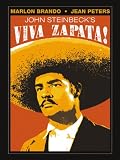 Viva Zapata -John Steinbeck - The Steinbeck Centennial Collection: The Grapes of Wrath, Of Mice and Men, East of Eden, The Pearl, Cannery Row, Travels With Charley In Search of America (Boxed Set) Description: No writer is more quintessentially American than John Steinbeck. Born in 1902 in Salinas, California, Steinbeck attended Stanford University before working at a series of mostly blue-collar jobs and embarking on his literary career. Profoundly committed to social progress, he used his writing to raise issues of labor exploitation and the plight of the common man, penning some of the greatest American novels of the twentieth century and winning such prestigious awards as the Pulitzer Prize and the National Book Award. He received the Nobel Prize in 1962, "for his realistic and imaginative writings, combining as they do sympathetic humour and keen social perception." Today, more than thirty years after his death, he remains one of America's greatest writers and cultural figures. Viva Zapata -John Steinbeck - The Steinbeck Centennial Collection: The Grapes of Wrath, Of Mice and Men, East of Eden, The Pearl, Cannery Row, Travels With Charley In Search of America (Boxed Set) Description: No writer is more quintessentially American than John Steinbeck. Born in 1902 in Salinas, California, Steinbeck attended Stanford University before working at a series of mostly blue-collar jobs and embarking on his literary career. Profoundly committed to social progress, he used his writing to raise issues of labor exploitation and the plight of the common man, penning some of the greatest American novels of the twentieth century and winning such prestigious awards as the Pulitzer Prize and the National Book Award. He received the Nobel Prize in 1962, "for his realistic and imaginative writings, combining as they do sympathetic humour and keen social perception." Today, more than thirty years after his death, he remains one of America's greatest writers and cultural figures. The boxed set, containing deluxe trade paperback editions with french flaps, is being released in honor of the Steinbeck centennial being celebrated throughout 2002. Penguin Putnam Inc, in partnership with the Steinbeck Foundation and the Great Books Foundation is sponsoring numerous events throught the year. List Price:$12.99 |
 East of Eden -John Steinbeck - The Steinbeck Centennial Collection: The Grapes of Wrath, Of Mice and Men, East of Eden, The Pearl, Cannery Row, Travels With Charley In Search of America (Boxed Set) Description: No writer is more quintessentially American than John Steinbeck. Born in 1902 in Salinas, California, Steinbeck attended Stanford University before working at a series of mostly blue-collar jobs and embarking on his literary career. Profoundly committed to social progress, he used his writing to raise issues of labor exploitation and the plight of the common man, penning some of the greatest American novels of the twentieth century and winning such prestigious awards as the Pulitzer Prize and the National Book Award. He received the Nobel Prize in 1962, "for his realistic and imaginative writings, combining as they do sympathetic humour and keen social perception." Today, more than thirty years after his death, he remains one of America's greatest writers and cultural figures. East of Eden -John Steinbeck - The Steinbeck Centennial Collection: The Grapes of Wrath, Of Mice and Men, East of Eden, The Pearl, Cannery Row, Travels With Charley In Search of America (Boxed Set) Description: No writer is more quintessentially American than John Steinbeck. Born in 1902 in Salinas, California, Steinbeck attended Stanford University before working at a series of mostly blue-collar jobs and embarking on his literary career. Profoundly committed to social progress, he used his writing to raise issues of labor exploitation and the plight of the common man, penning some of the greatest American novels of the twentieth century and winning such prestigious awards as the Pulitzer Prize and the National Book Award. He received the Nobel Prize in 1962, "for his realistic and imaginative writings, combining as they do sympathetic humour and keen social perception." Today, more than thirty years after his death, he remains one of America's greatest writers and cultural figures. The boxed set, containing deluxe trade paperback editions with french flaps, is being released in honor of the Steinbeck centennial being celebrated throughout 2002. Penguin Putnam Inc, in partnership with the Steinbeck Foundation and the Great Books Foundation is sponsoring numerous events throught the year. List Price:$2.99 |
 The Wayward Bus -John Steinbeck - The Steinbeck Centennial Collection: The Grapes of Wrath, Of Mice and Men, East of Eden, The Pearl, Cannery Row, Travels With Charley In Search of America (Boxed Set) Description: No writer is more quintessentially American than John Steinbeck. Born in 1902 in Salinas, California, Steinbeck attended Stanford University before working at a series of mostly blue-collar jobs and embarking on his literary career. Profoundly committed to social progress, he used his writing to raise issues of labor exploitation and the plight of the common man, penning some of the greatest American novels of the twentieth century and winning such prestigious awards as the Pulitzer Prize and the National Book Award. He received the Nobel Prize in 1962, "for his realistic and imaginative writings, combining as they do sympathetic humour and keen social perception." Today, more than thirty years after his death, he remains one of America's greatest writers and cultural figures. The Wayward Bus -John Steinbeck - The Steinbeck Centennial Collection: The Grapes of Wrath, Of Mice and Men, East of Eden, The Pearl, Cannery Row, Travels With Charley In Search of America (Boxed Set) Description: No writer is more quintessentially American than John Steinbeck. Born in 1902 in Salinas, California, Steinbeck attended Stanford University before working at a series of mostly blue-collar jobs and embarking on his literary career. Profoundly committed to social progress, he used his writing to raise issues of labor exploitation and the plight of the common man, penning some of the greatest American novels of the twentieth century and winning such prestigious awards as the Pulitzer Prize and the National Book Award. He received the Nobel Prize in 1962, "for his realistic and imaginative writings, combining as they do sympathetic humour and keen social perception." Today, more than thirty years after his death, he remains one of America's greatest writers and cultural figures. The boxed set, containing deluxe trade paperback editions with french flaps, is being released in honor of the Steinbeck centennial being celebrated throughout 2002. Penguin Putnam Inc, in partnership with the Steinbeck Foundation and the Great Books Foundation is sponsoring numerous events throught the year. List Price:$3.99 |
 The Grapes Of Wrath -John Steinbeck - The Steinbeck Centennial Collection: The Grapes of Wrath, Of Mice and Men, East of Eden, The Pearl, Cannery Row, Travels With Charley In Search of America (Boxed Set) Description: No writer is more quintessentially American than John Steinbeck. Born in 1902 in Salinas, California, Steinbeck attended Stanford University before working at a series of mostly blue-collar jobs and embarking on his literary career. Profoundly committed to social progress, he used his writing to raise issues of labor exploitation and the plight of the common man, penning some of the greatest American novels of the twentieth century and winning such prestigious awards as the Pulitzer Prize and the National Book Award. He received the Nobel Prize in 1962, "for his realistic and imaginative writings, combining as they do sympathetic humour and keen social perception." Today, more than thirty years after his death, he remains one of America's greatest writers and cultural figures. The Grapes Of Wrath -John Steinbeck - The Steinbeck Centennial Collection: The Grapes of Wrath, Of Mice and Men, East of Eden, The Pearl, Cannery Row, Travels With Charley In Search of America (Boxed Set) Description: No writer is more quintessentially American than John Steinbeck. Born in 1902 in Salinas, California, Steinbeck attended Stanford University before working at a series of mostly blue-collar jobs and embarking on his literary career. Profoundly committed to social progress, he used his writing to raise issues of labor exploitation and the plight of the common man, penning some of the greatest American novels of the twentieth century and winning such prestigious awards as the Pulitzer Prize and the National Book Award. He received the Nobel Prize in 1962, "for his realistic and imaginative writings, combining as they do sympathetic humour and keen social perception." Today, more than thirty years after his death, he remains one of America's greatest writers and cultural figures. The boxed set, containing deluxe trade paperback editions with french flaps, is being released in honor of the Steinbeck centennial being celebrated throughout 2002. Penguin Putnam Inc, in partnership with the Steinbeck Foundation and the Great Books Foundation is sponsoring numerous events throught the year. List Price:$9.99 |
 The Forgotten Village (1941) -John Steinbeck - The Steinbeck Centennial Collection: The Grapes of Wrath, Of Mice and Men, East of Eden, The Pearl, Cannery Row, Travels With Charley In Search of America (Boxed Set) Description: No writer is more quintessentially American than John Steinbeck. Born in 1902 in Salinas, California, Steinbeck attended Stanford University before working at a series of mostly blue-collar jobs and embarking on his literary career. Profoundly committed to social progress, he used his writing to raise issues of labor exploitation and the plight of the common man, penning some of the greatest American novels of the twentieth century and winning such prestigious awards as the Pulitzer Prize and the National Book Award. He received the Nobel Prize in 1962, "for his realistic and imaginative writings, combining as they do sympathetic humour and keen social perception." Today, more than thirty years after his death, he remains one of America's greatest writers and cultural figures. The Forgotten Village (1941) -John Steinbeck - The Steinbeck Centennial Collection: The Grapes of Wrath, Of Mice and Men, East of Eden, The Pearl, Cannery Row, Travels With Charley In Search of America (Boxed Set) Description: No writer is more quintessentially American than John Steinbeck. Born in 1902 in Salinas, California, Steinbeck attended Stanford University before working at a series of mostly blue-collar jobs and embarking on his literary career. Profoundly committed to social progress, he used his writing to raise issues of labor exploitation and the plight of the common man, penning some of the greatest American novels of the twentieth century and winning such prestigious awards as the Pulitzer Prize and the National Book Award. He received the Nobel Prize in 1962, "for his realistic and imaginative writings, combining as they do sympathetic humour and keen social perception." Today, more than thirty years after his death, he remains one of America's greatest writers and cultural figures. The boxed set, containing deluxe trade paperback editions with french flaps, is being released in honor of the Steinbeck centennial being celebrated throughout 2002. Penguin Putnam Inc, in partnership with the Steinbeck Foundation and the Great Books Foundation is sponsoring numerous events throught the year. List Price:$0.99 |
John Steinbeck
 The Grapes of Wrath -John Steinbeck - - The Grapes of Wrath A Penguin Classic The Grapes of Wrath -John Steinbeck - - The Grapes of Wrath A Penguin ClassicIn the two years after the 1939 publication of Steinbeck’s masterful The Grapes of Wrath, Steinbeck and his novel increasingly became the center of intense controversy and censorship. In search of a respite from the national stage, Steinbeck and his close friend, biologist Ed Ricketts, embarked on a month long marine specimen-collecting expedition in the Gulf of California, which resulted in their collaboration on the Sea of Cortez. In 1951, after Ricketts’ death, Steinbeck reissued his narrative portion of the work in memory of his friend and the inspiration for Cannery Row’s “Doc”. This exciting day-by-day account of their journey together is a rare blend of science, philosophy, and high-spirited adventure. This edition features an introduction by Richard Astro. For more than seventy years, Penguin has been the leading publisher of classic literature in the English-speaking world. With more than 1,700 titles, Penguin Classics represents a global bookshelf of the best works throughout history and across genres and disciplines. Readers trust the series to provide authoritative texts enhanced by introductions and notes by distinguished scholars and contemporary authors, as well as up-to-date translations by award-winning translators. List Price:$18.00 |
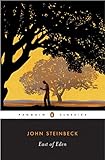 East of Eden (Penguin Twentieth Century Classics) -John Steinbeck - - Penguin Books A Penguin Classic East of Eden (Penguin Twentieth Century Classics) -John Steinbeck - - Penguin Books A Penguin ClassicIn the two years after the 1939 publication of Steinbeck’s masterful The Grapes of Wrath, Steinbeck and his novel increasingly became the center of intense controversy and censorship. In search of a respite from the national stage, Steinbeck and his close friend, biologist Ed Ricketts, embarked on a month long marine specimen-collecting expedition in the Gulf of California, which resulted in their collaboration on the Sea of Cortez. In 1951, after Ricketts’ death, Steinbeck reissued his narrative portion of the work in memory of his friend and the inspiration for Cannery Row’s “Doc”. This exciting day-by-day account of their journey together is a rare blend of science, philosophy, and high-spirited adventure. This edition features an introduction by Richard Astro. For more than seventy years, Penguin has been the leading publisher of classic literature in the English-speaking world. With more than 1,700 titles, Penguin Classics represents a global bookshelf of the best works throughout history and across genres and disciplines. Readers trust the series to provide authoritative texts enhanced by introductions and notes by distinguished scholars and contemporary authors, as well as up-to-date translations by award-winning translators. List Price:$18.00 |
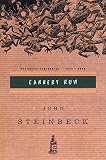 Cannery Row: (Centennial Edition) -John Steinbeck - A Penguin Classic Cannery Row: (Centennial Edition) -John Steinbeck - A Penguin ClassicIn the two years after the 1939 publication of Steinbeck’s masterful The Grapes of Wrath, Steinbeck and his novel increasingly became the center of intense controversy and censorship. In search of a respite from the national stage, Steinbeck and his close friend, biologist Ed Ricketts, embarked on a month long marine specimen-collecting expedition in the Gulf of California, which resulted in their collaboration on the Sea of Cortez. In 1951, after Ricketts’ death, Steinbeck reissued his narrative portion of the work in memory of his friend and the inspiration for Cannery Row’s “Doc”. This exciting day-by-day account of their journey together is a rare blend of science, philosophy, and high-spirited adventure. This edition features an introduction by Richard Astro. For more than seventy years, Penguin has been the leading publisher of classic literature in the English-speaking world. With more than 1,700 titles, Penguin Classics represents a global bookshelf of the best works throughout history and across genres and disciplines. Readers trust the series to provide authoritative texts enhanced by introductions and notes by distinguished scholars and contemporary authors, as well as up-to-date translations by award-winning translators. List Price:$17.00 |
 Travels with Charley in Search of America -John Steinbeck - - Penguin Books A Penguin Classic Travels with Charley in Search of America -John Steinbeck - - Penguin Books A Penguin ClassicIn the two years after the 1939 publication of Steinbeck’s masterful The Grapes of Wrath, Steinbeck and his novel increasingly became the center of intense controversy and censorship. In search of a respite from the national stage, Steinbeck and his close friend, biologist Ed Ricketts, embarked on a month long marine specimen-collecting expedition in the Gulf of California, which resulted in their collaboration on the Sea of Cortez. In 1951, after Ricketts’ death, Steinbeck reissued his narrative portion of the work in memory of his friend and the inspiration for Cannery Row’s “Doc”. This exciting day-by-day account of their journey together is a rare blend of science, philosophy, and high-spirited adventure. This edition features an introduction by Richard Astro. For more than seventy years, Penguin has been the leading publisher of classic literature in the English-speaking world. With more than 1,700 titles, Penguin Classics represents a global bookshelf of the best works throughout history and across genres and disciplines. Readers trust the series to provide authoritative texts enhanced by introductions and notes by distinguished scholars and contemporary authors, as well as up-to-date translations by award-winning translators. List Price:$13.00 |
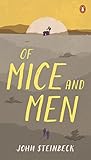 Of Mice and Men -John Steinbeck - - Great product! A Penguin Classic Of Mice and Men -John Steinbeck - - Great product! A Penguin ClassicIn the two years after the 1939 publication of Steinbeck’s masterful The Grapes of Wrath, Steinbeck and his novel increasingly became the center of intense controversy and censorship. In search of a respite from the national stage, Steinbeck and his close friend, biologist Ed Ricketts, embarked on a month long marine specimen-collecting expedition in the Gulf of California, which resulted in their collaboration on the Sea of Cortez. In 1951, after Ricketts’ death, Steinbeck reissued his narrative portion of the work in memory of his friend and the inspiration for Cannery Row’s “Doc”. This exciting day-by-day account of their journey together is a rare blend of science, philosophy, and high-spirited adventure. This edition features an introduction by Richard Astro. For more than seventy years, Penguin has been the leading publisher of classic literature in the English-speaking world. With more than 1,700 titles, Penguin Classics represents a global bookshelf of the best works throughout history and across genres and disciplines. Readers trust the series to provide authoritative texts enhanced by introductions and notes by distinguished scholars and contemporary authors, as well as up-to-date translations by award-winning translators. List Price:$12.00 |
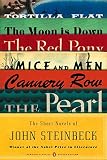 The Short Novels of John Steinbeck: (Penguin Classics Deluxe Edition) -John Steinbeck - - Penguin Books A Penguin Classic The Short Novels of John Steinbeck: (Penguin Classics Deluxe Edition) -John Steinbeck - - Penguin Books A Penguin ClassicIn the two years after the 1939 publication of Steinbeck’s masterful The Grapes of Wrath, Steinbeck and his novel increasingly became the center of intense controversy and censorship. In search of a respite from the national stage, Steinbeck and his close friend, biologist Ed Ricketts, embarked on a month long marine specimen-collecting expedition in the Gulf of California, which resulted in their collaboration on the Sea of Cortez. In 1951, after Ricketts’ death, Steinbeck reissued his narrative portion of the work in memory of his friend and the inspiration for Cannery Row’s “Doc”. This exciting day-by-day account of their journey together is a rare blend of science, philosophy, and high-spirited adventure. This edition features an introduction by Richard Astro. For more than seventy years, Penguin has been the leading publisher of classic literature in the English-speaking world. With more than 1,700 titles, Penguin Classics represents a global bookshelf of the best works throughout history and across genres and disciplines. Readers trust the series to provide authoritative texts enhanced by introductions and notes by distinguished scholars and contemporary authors, as well as up-to-date translations by award-winning translators. List Price:$32.00 |
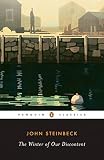 The Winter of Our Discontent (Penguin Classics) -John Steinbeck - - Penguin Books A Penguin Classic The Winter of Our Discontent (Penguin Classics) -John Steinbeck - - Penguin Books A Penguin ClassicIn the two years after the 1939 publication of Steinbeck’s masterful The Grapes of Wrath, Steinbeck and his novel increasingly became the center of intense controversy and censorship. In search of a respite from the national stage, Steinbeck and his close friend, biologist Ed Ricketts, embarked on a month long marine specimen-collecting expedition in the Gulf of California, which resulted in their collaboration on the Sea of Cortez. In 1951, after Ricketts’ death, Steinbeck reissued his narrative portion of the work in memory of his friend and the inspiration for Cannery Row’s “Doc”. This exciting day-by-day account of their journey together is a rare blend of science, philosophy, and high-spirited adventure. This edition features an introduction by Richard Astro. For more than seventy years, Penguin has been the leading publisher of classic literature in the English-speaking world. With more than 1,700 titles, Penguin Classics represents a global bookshelf of the best works throughout history and across genres and disciplines. Readers trust the series to provide authoritative texts enhanced by introductions and notes by distinguished scholars and contemporary authors, as well as up-to-date translations by award-winning translators. List Price:$17.00 |
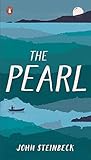 The Pearl -John Steinbeck - - Penguin Books A Penguin Classic The Pearl -John Steinbeck - - Penguin Books A Penguin ClassicIn the two years after the 1939 publication of Steinbeck’s masterful The Grapes of Wrath, Steinbeck and his novel increasingly became the center of intense controversy and censorship. In search of a respite from the national stage, Steinbeck and his close friend, biologist Ed Ricketts, embarked on a month long marine specimen-collecting expedition in the Gulf of California, which resulted in their collaboration on the Sea of Cortez. In 1951, after Ricketts’ death, Steinbeck reissued his narrative portion of the work in memory of his friend and the inspiration for Cannery Row’s “Doc”. This exciting day-by-day account of their journey together is a rare blend of science, philosophy, and high-spirited adventure. This edition features an introduction by Richard Astro. For more than seventy years, Penguin has been the leading publisher of classic literature in the English-speaking world. With more than 1,700 titles, Penguin Classics represents a global bookshelf of the best works throughout history and across genres and disciplines. Readers trust the series to provide authoritative texts enhanced by introductions and notes by distinguished scholars and contemporary authors, as well as up-to-date translations by award-winning translators. List Price:$12.00 |
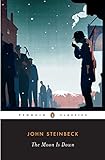 The Moon Is Down -John Steinbeck - - Penguin Books A Penguin Classic The Moon Is Down -John Steinbeck - - Penguin Books A Penguin ClassicIn the two years after the 1939 publication of Steinbeck’s masterful The Grapes of Wrath, Steinbeck and his novel increasingly became the center of intense controversy and censorship. In search of a respite from the national stage, Steinbeck and his close friend, biologist Ed Ricketts, embarked on a month long marine specimen-collecting expedition in the Gulf of California, which resulted in their collaboration on the Sea of Cortez. In 1951, after Ricketts’ death, Steinbeck reissued his narrative portion of the work in memory of his friend and the inspiration for Cannery Row’s “Doc”. This exciting day-by-day account of their journey together is a rare blend of science, philosophy, and high-spirited adventure. This edition features an introduction by Richard Astro. For more than seventy years, Penguin has been the leading publisher of classic literature in the English-speaking world. With more than 1,700 titles, Penguin Classics represents a global bookshelf of the best works throughout history and across genres and disciplines. Readers trust the series to provide authoritative texts enhanced by introductions and notes by distinguished scholars and contemporary authors, as well as up-to-date translations by award-winning translators. List Price:$15.00 |
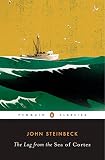 The Log from the Sea of Cortez (Penguin Classics) -John Steinbeck - A Penguin Classic The Log from the Sea of Cortez (Penguin Classics) -John Steinbeck - A Penguin ClassicIn the two years after the 1939 publication of Steinbeck’s masterful The Grapes of Wrath, Steinbeck and his novel increasingly became the center of intense controversy and censorship. In search of a respite from the national stage, Steinbeck and his close friend, biologist Ed Ricketts, embarked on a month long marine specimen-collecting expedition in the Gulf of California, which resulted in their collaboration on the Sea of Cortez. In 1951, after Ricketts’ death, Steinbeck reissued his narrative portion of the work in memory of his friend and the inspiration for Cannery Row’s “Doc”. This exciting day-by-day account of their journey together is a rare blend of science, philosophy, and high-spirited adventure. This edition features an introduction by Richard Astro. For more than seventy years, Penguin has been the leading publisher of classic literature in the English-speaking world. With more than 1,700 titles, Penguin Classics represents a global bookshelf of the best works throughout history and across genres and disciplines. Readers trust the series to provide authoritative texts enhanced by introductions and notes by distinguished scholars and contemporary authors, as well as up-to-date translations by award-winning translators. List Price:$18.00 |
Home • Books • DVD! • CoolStuff • Computer Sales • Music • Furniture • Kids' Stuff • Video • Software • Clothing • Tools • Cookware • Gourmet Foods • Housewares • Jewelry • Sporting Goods • Outdoor Store • Health and Personal Care • Home Theater • Musical Instruments

©1999-2008 Ardan Scientific Programming, L.L.C.