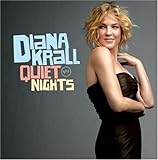
 Quiet Nights
- Diana Krall's 12th album Quiet Nights is an intimate recording of ballads and bossa novas from the team that brought you her best-selling GRAMMY Award-winning CD The Look of Love. Accompanied by her quartet and orchestra, Diana turns her sensual vocals and consummate piano skills to "The Boy from Ipanema", "Walk on By"and other classic tunes. Quiet Nights is initially available as a limited edition CD including 2 bonus tracks - her stunning rendition of the Bee Gee's "How Can You Mend A Broken Heart" and the standard "Every Time We Say Goodbye". Also available on LP pressed on 180 Gram Vinyl.
Quiet Nights
- Diana Krall's 12th album Quiet Nights is an intimate recording of ballads and bossa novas from the team that brought you her best-selling GRAMMY Award-winning CD The Look of Love. Accompanied by her quartet and orchestra, Diana turns her sensual vocals and consummate piano skills to "The Boy from Ipanema", "Walk on By"and other classic tunes. Quiet Nights is initially available as a limited edition CD including 2 bonus tracks - her stunning rendition of the Bee Gee's "How Can You Mend A Broken Heart" and the standard "Every Time We Say Goodbye". Also available on LP pressed on 180 Gram Vinyl.
List Price: $13.98
Our Price: $7.58
More Info! |
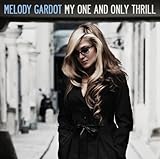 My One and Only Thrill
- Amazing though it is, the story of how Melody Gardot overcame the effects of a near-fatal accident to become one of the vocal sensations of 2008 is not the most extraordinary thing about the 23-year-old Philadelphia singer-songwriter. It is simply that here is a voice in a million; one that touches the soul.
My One and Only Thrill
- Amazing though it is, the story of how Melody Gardot overcame the effects of a near-fatal accident to become one of the vocal sensations of 2008 is not the most extraordinary thing about the 23-year-old Philadelphia singer-songwriter. It is simply that here is a voice in a million; one that touches the soul. Melody's debut album `Worrisome Heart' introduced, in The Sunday Times' words: "a remarkable talent by any measure", with songs of quiet, wistful poetry in arrangements that "ooze after-hours sophistication". Yet the follow-up, for release in April 2009, marks a substantial leap forward. `My One And Only Thrill' is an intensely creative milestone, transcending genre distinctions of jazz and blues to offer a haunting personal musical statement that will appeal to all music-lovers. As with her acclaimed live shows she captures and holds her audience in the palm of her hand. These eleven songs, covering a wide range of emotions, are all her own except for an irresistible, Brazilian take on Somewhere Over The Rainbow. It would take a heart of stone to remain unmoved by the poignant title track My One And Only Thrill. And when the album is finished (as Irving Berlin wrote truly) the song is over, but the Melody lingers on . . .
List Price: $13.98
Our Price: $8.37
More Info! |
 Chris Botti in Boston (CD/DVD)
- Special CD/DVD edition of the trumpeter's 2009 live release includes a bonus DVD that includes a two hour concert plus a . 40-minute Behind-The-Scenes bonus. Chris Botti In Boston finds the chart-topping Jazz trumpeter and special guests performing live at the historic Boston Symphony Hall with Keith Lockhart and the Boston Pops on September 18 and 19, 2008. Includes guest appearances from Josh Groban, Yo-Yo Ma, John Mayer, Katharine McPhee, Sting, Lucia Micarelli and Steven Tyler.
Chris Botti in Boston (CD/DVD)
- Special CD/DVD edition of the trumpeter's 2009 live release includes a bonus DVD that includes a two hour concert plus a . 40-minute Behind-The-Scenes bonus. Chris Botti In Boston finds the chart-topping Jazz trumpeter and special guests performing live at the historic Boston Symphony Hall with Keith Lockhart and the Boston Pops on September 18 and 19, 2008. Includes guest appearances from Josh Groban, Yo-Yo Ma, John Mayer, Katharine McPhee, Sting, Lucia Micarelli and Steven Tyler.
List Price: $24.98
Our Price: $14.99
More Info! |
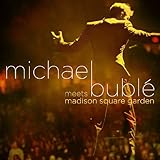 Michael Buble Meets Madison Square Garden (CD/DVD)
- Following his first #1 Pop album and his third platinum-plus disc, 2007's Grammy® winning Call Me Irresponsible, singing sensation Michael Bublé returns to the stage with the live CD+DVD package Michael Bublé Meets Madison Square Garden. Featuring powerful performances of his hits 'Everything,' 'Home' and 'Feeling Good,' he brings the December 5, 2008 concert at one of the most famous venues in entertainment history home to fans with Michael Bublé Meets Madison Square Garden.
Michael Buble Meets Madison Square Garden (CD/DVD)
- Following his first #1 Pop album and his third platinum-plus disc, 2007's Grammy® winning Call Me Irresponsible, singing sensation Michael Bublé returns to the stage with the live CD+DVD package Michael Bublé Meets Madison Square Garden. Featuring powerful performances of his hits 'Everything,' 'Home' and 'Feeling Good,' he brings the December 5, 2008 concert at one of the most famous venues in entertainment history home to fans with Michael Bublé Meets Madison Square Garden.
List Price: $24.98
Our Price: $12.12
More Info! |
 Kind of Blue
- This is the one jazz record owned by people who don't listen to jazz, and with good reason. The band itself is extraordinary (proof of Miles Davis's masterful casting skills, if not of God's existence), listing John Coltrane and Julian "Cannonball" Adderley on saxophones, Bill Evans (or, on "Freddie Freeloader," Wynton Kelly) on piano, and the crack rhythm unit of Paul Chambers on bass and Jimmy Cobb on drums. Coltrane's astringency on tenor is counterpoised to Adderley's funky self on alto, with Davis moderating between them as Bill Evans conjures up a still lake of sound on which they walk. Meanwhile, the rhythm partnership of Cobb and Chambers is prepared to click off time until eternity. It was the key recording of what became modal jazz, a music free of the fixed harmonies and forms of pop songs. In Davis's men's hands it was a weightless music, but one that refused to fade into the background. In retrospect every note seems perfect, and each piece moves inexorably towards its destiny. --John Szwed
Kind of Blue
- This is the one jazz record owned by people who don't listen to jazz, and with good reason. The band itself is extraordinary (proof of Miles Davis's masterful casting skills, if not of God's existence), listing John Coltrane and Julian "Cannonball" Adderley on saxophones, Bill Evans (or, on "Freddie Freeloader," Wynton Kelly) on piano, and the crack rhythm unit of Paul Chambers on bass and Jimmy Cobb on drums. Coltrane's astringency on tenor is counterpoised to Adderley's funky self on alto, with Davis moderating between them as Bill Evans conjures up a still lake of sound on which they walk. Meanwhile, the rhythm partnership of Cobb and Chambers is prepared to click off time until eternity. It was the key recording of what became modal jazz, a music free of the fixed harmonies and forms of pop songs. In Davis's men's hands it was a weightless music, but one that refused to fade into the background. In retrospect every note seems perfect, and each piece moves inexorably towards its destiny. --John Szwed
List Price: $7.99
Our Price: $4.37
More Info! |
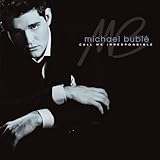 Call Me Irresponsible
- Melding the contemporary and the classic in ways only he can, Michael Buble has created his most complete studio effort yet. Ranging from "I've Got The World On a String" to "Me and Mrs. Jones," in addition to two new songs co-written by Michael, Call Me Irresponsible makes this album irresistible.It's no coincidence that Michael Bublé's new album starts with just his voice and some fingersnaps on "The Best Is Yet to Come," a song made famous by Frank Sinatra. The Canadian smoothie looks longingly towards early-'60s Vegas, an impression quickly reinforced when a boisterous horn section makes its grand entrance, about 20 seconds into the track. That Bublé means business is confirmed by the second cut, a fast-paced take on Henry Mancini's "It Had Better Be Tonight," and of course by the CD's very title, another song identified with Sinatra as his cockiest. There are just a few sidesteps from the retro formula that's served Bublé so well so far: a languid duet with Brazilian star Ivan Lins on the bossa "Wonderful Tonight," a gospel choir on "That's Life." Interestingly, Bublé co-wrote the best of those sidesteps, "Everything," a Norah Jones-esque number that alluringly harks back to sunny '70s pop. It's also the only song on the album produced by Bob Rock (best known for his work with Metallica), sending out a strong signal that Bublé should reach out to unlikely collaborators more often. --Elisabeth Vincentelli
Call Me Irresponsible
- Melding the contemporary and the classic in ways only he can, Michael Buble has created his most complete studio effort yet. Ranging from "I've Got The World On a String" to "Me and Mrs. Jones," in addition to two new songs co-written by Michael, Call Me Irresponsible makes this album irresistible.It's no coincidence that Michael Bublé's new album starts with just his voice and some fingersnaps on "The Best Is Yet to Come," a song made famous by Frank Sinatra. The Canadian smoothie looks longingly towards early-'60s Vegas, an impression quickly reinforced when a boisterous horn section makes its grand entrance, about 20 seconds into the track. That Bublé means business is confirmed by the second cut, a fast-paced take on Henry Mancini's "It Had Better Be Tonight," and of course by the CD's very title, another song identified with Sinatra as his cockiest. There are just a few sidesteps from the retro formula that's served Bublé so well so far: a languid duet with Brazilian star Ivan Lins on the bossa "Wonderful Tonight," a gospel choir on "That's Life." Interestingly, Bublé co-wrote the best of those sidesteps, "Everything," a Norah Jones-esque number that alluringly harks back to sunny '70s pop. It's also the only song on the album produced by Bob Rock (best known for his work with Metallica), sending out a strong signal that Bublé should reach out to unlikely collaborators more often. --Elisabeth Vincentelli More Music from Michael Bublé
List Price: $18.98
Our Price: $7.20
More Info! |
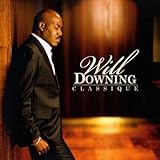 Classique
- Taking his inspiration from the French term Classique - an author, artist or work of art, of the highest excellence - Will Downing returns with his 14th collection of sensual grooves and true love primers. Classique is his second album for Peak Records and a triumphant encore presentation following the challenges he faced creating his Peak debut, After Tonight (recorded while battling the muscle disorder Polymyositis). Back in top form, Downing's sensitive touch is felt throughout the project - singing, writing, arranging and producing, the latter mostly in collaboration with his dear friend and much-in-demand ace Rex Rideout. Uniquely gifted with an unmatched arsenal of velvet lows and silky falsetto highs, few can challenge the growing belief that this versatile crooner is the rightful heir to the Smooth R&B throne.
Classique
- Taking his inspiration from the French term Classique - an author, artist or work of art, of the highest excellence - Will Downing returns with his 14th collection of sensual grooves and true love primers. Classique is his second album for Peak Records and a triumphant encore presentation following the challenges he faced creating his Peak debut, After Tonight (recorded while battling the muscle disorder Polymyositis). Back in top form, Downing's sensitive touch is felt throughout the project - singing, writing, arranging and producing, the latter mostly in collaboration with his dear friend and much-in-demand ace Rex Rideout. Uniquely gifted with an unmatched arsenal of velvet lows and silky falsetto highs, few can challenge the growing belief that this versatile crooner is the rightful heir to the Smooth R&B throne.
List Price: $18.98
Our Price: $11.80
More Info! |
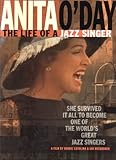 Anita O'Day - The Life Of A Jazz Singer
- Anita O'Day was one of the greatest American Jazz singers and this critically acclaimed award-winning documentary tells her astonishing story - a journey of survival, and above all the enduarance of her talent, told in a number of frank interviews with her and with those who knew her. Her career was long and eventful, spanning seven decades; her last album recorded when she was 84.
Anita O'Day - The Life Of A Jazz Singer
- Anita O'Day was one of the greatest American Jazz singers and this critically acclaimed award-winning documentary tells her astonishing story - a journey of survival, and above all the enduarance of her talent, told in a number of frank interviews with her and with those who knew her. Her career was long and eventful, spanning seven decades; her last album recorded when she was 84.
Anita O'Day only ever wanted to be a singer and the film showcases performances that date back to the 50's with such artists as Gene Krupa, Roy Eldridge, Stan Kenton, Louis Armestrong and Hoagy Carmichael. She is shown teaching Billy Taylor how to be a jazz vocalist. Bert Stern comments on Anita performing "Sweet Georgia Brown" for his film JAZZ ON A SUMMER'S DAY while George Wein, legendary impresario, states it was the greatest rendition of the song ever made.
She speaks candidly, always candidly, with Dick Cavett, Bryant Gumble and David Frost, and in interviews on 60 Minutes and CBS This Morning. Anita was a woman who lived her life the she wanted without every looking back and was a musical genius and pioneer who broke race barriers. She talks openly about how she had to overcome great adversities, including a 20-year addiction to heroin and alcohol. The film shows Anita on tour in Europe well into her eighties and making her final recording shortly before her death, the death of an icon.
2 Discs:
Disc 1 : The Movie with Director s audio commentary and French, Spanish and Japanese. We might add Italian subtitles. 16:9 formatting for widescreen and 4:3 televisions.
Disc 2: Bonus Disc with 45 minutes of the uninterrupted musical performances from the film and 45 Minutes of outtake interviews of Anita.
32 page full color booklet including:
Essay by Jim Gavin.
Essay by Will Friedwald
Selected chapter from Anita s autobiography, High Times Hard Times.
16 pages reproduced from Anita s personal scrapbooks.
List Price: $29.98
Our Price: $17.32
More Info! |
 Bare Bones
- The third album in four years from song interpreter extraordinaire Madeleine Peyroux, Bare Bones is both an extension of the currents of 2004's Careless Love and 2006's Half the Perfect World and a bold step into previously unexplored psychological terrain. Produced, like its two predecessors, by Larry Klein, this fluid and enthralling new work is Peyroux's most personal yet, hardly surprising considering she had a hand in writing each of the 11 songs, marking the fulfillment of a lifelong dream.
Bare Bones
- The third album in four years from song interpreter extraordinaire Madeleine Peyroux, Bare Bones is both an extension of the currents of 2004's Careless Love and 2006's Half the Perfect World and a bold step into previously unexplored psychological terrain. Produced, like its two predecessors, by Larry Klein, this fluid and enthralling new work is Peyroux's most personal yet, hardly surprising considering she had a hand in writing each of the 11 songs, marking the fulfillment of a lifelong dream.
List Price: $17.98
Our Price: $8.25
More Info! |
 Worrisome Heart
-
Worrisome Heart
- ". . . in a place where Billie Holiday meets Tom Waits . . . has moments that recall pieces of Nina Simone, early Rickie Lee Jones, and even the sophistication of Cole Porter. " - Business Week Although there are elements of jazz, blues and folk in her music, it is simultaneously all of those things and none of them. Her engaging songs and sultry controlled vocals possess a timeless quality that places them in the tradition of the great female vocalists on Verve, whose work have also not been confined to any one genre or style
List Price: $10.99
Our Price: $6.47
More Info! |
 Inspiration Information, Vol. 3
- The third in STRUT's Inspiration Information studio collaboration series brings together an intriguing pairing between one of Africa's greatest and most innovative bandleaders, MULATU ASTATKE, with the next level musicianship of THE HELIOCENTRICS collective from the mighty roster of STONES THROW / NOW AGAIN.Known primarily through the successful 'Ethiopiques' album series and the film soundtrack to JIM JARMUSCH's 'Broken Flowers', Mulatu Astatke is one of Ethiopia's foremost musical ambassadors. His selfstyled Ethio-jazz sound flourished during the "Swinging Addis" era of the late '60s as he successfully fused Western jazz and funk with traditional Ethiopian folk melodies. The Heliocentrics have become known as one of the UK's foremost free-thinking collectives of musicians, inspired by a wide palette covering SUN RA, JAMES BROWN, DAVID AXELROD and all manner of psych, Afro and Eastern sounds. The collective have featured on records by MADLIB and DJ SHADOW and are now a fixture within the Stones Throw / Now Again roster, they forged their own genre-breaking directions in the astral analogue groove on their 2007 debut album, 'Out There'.
Inspiration Information, Vol. 3
- The third in STRUT's Inspiration Information studio collaboration series brings together an intriguing pairing between one of Africa's greatest and most innovative bandleaders, MULATU ASTATKE, with the next level musicianship of THE HELIOCENTRICS collective from the mighty roster of STONES THROW / NOW AGAIN.Known primarily through the successful 'Ethiopiques' album series and the film soundtrack to JIM JARMUSCH's 'Broken Flowers', Mulatu Astatke is one of Ethiopia's foremost musical ambassadors. His selfstyled Ethio-jazz sound flourished during the "Swinging Addis" era of the late '60s as he successfully fused Western jazz and funk with traditional Ethiopian folk melodies. The Heliocentrics have become known as one of the UK's foremost free-thinking collectives of musicians, inspired by a wide palette covering SUN RA, JAMES BROWN, DAVID AXELROD and all manner of psych, Afro and Eastern sounds. The collective have featured on records by MADLIB and DJ SHADOW and are now a fixture within the Stones Throw / Now Again roster, they forged their own genre-breaking directions in the astral analogue groove on their 2007 debut album, 'Out There'.
List Price: $14.98
Our Price: $9.94
More Info! |
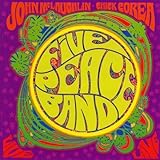 Five Peace Band Live
- From intimate duets to intricate acoustic jazz to burning jazz/rock/funk...this is one of the most important collaborations for jazz in our times! This special 2-CD set features the two musical legends in performance together; each displaying their unparalleled artistic integrity. Five Peace Band Live was recorded from the band's 2008 European Tour and features the amazing performances of the stellar musicians Christian McBride, Kenny Garrett, and Vinnie Colaiuta, along with special guest Herbie Hancock!
Five Peace Band Live
- From intimate duets to intricate acoustic jazz to burning jazz/rock/funk...this is one of the most important collaborations for jazz in our times! This special 2-CD set features the two musical legends in performance together; each displaying their unparalleled artistic integrity. Five Peace Band Live was recorded from the band's 2008 European Tour and features the amazing performances of the stellar musicians Christian McBride, Kenny Garrett, and Vinnie Colaiuta, along with special guest Herbie Hancock!
List Price: $19.98
Our Price: $11.87
More Info! |
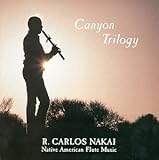 Canyon Trilogy: Native American Flute Music
- Using digital technology, R. Carlos Nakai creates the sound of the cedar flute echoing in the canyons and valleys of the vast Southwest. His seventeen free flowing compositions soothe the spirit and carry the listener to the far realms of the imagination. Awarded a certified Gold Records in 1998 ~ the first ever awarded for a Native American music album.Nakai's free improvisations on this album are based on his impressions of the Anasazi and Sinagua sites, ancient cliff dwellings that were home to communities of Native people thousands of years ago. By using the Roland SDE 3000 Digital Delay system, Nakai is able to play duets with his own echo, in an effort to emulate the echoes of the past that haunt these ruins. On this recording, Nakai's flute sounds even more plaintive than usual, as if the spirits of these forgotten ancestors had entered into the studio to fill his playing with the whispered reverberations of their ancient ways. This is one of Nakai's most deeply felt recordings, one that resonates with a deep, melancholy yearning. --j. poetNakai's free improvisations on this album are based on his impressions of the Anasazi and Sinagua sites, ancient cliff dwellings that were home to communities of Native people thousands of years ago. By using the Roland SDE 3000 Digital Delay system, Nakai is able to play duets with his own echo, in an effort to emulate the echoes of the past that haunt these ruins. On this recording, Nakai's flute sounds even more plaintive than usual, as if the spirits of these forgotten ancestors had entered into the studio to fill his playing with the whispered reverberations of their ancient ways. This is one of Nakai's most deeply felt recordings, one that resonates with a deep, melancholy yearning. --j. poet
Canyon Trilogy: Native American Flute Music
- Using digital technology, R. Carlos Nakai creates the sound of the cedar flute echoing in the canyons and valleys of the vast Southwest. His seventeen free flowing compositions soothe the spirit and carry the listener to the far realms of the imagination. Awarded a certified Gold Records in 1998 ~ the first ever awarded for a Native American music album.Nakai's free improvisations on this album are based on his impressions of the Anasazi and Sinagua sites, ancient cliff dwellings that were home to communities of Native people thousands of years ago. By using the Roland SDE 3000 Digital Delay system, Nakai is able to play duets with his own echo, in an effort to emulate the echoes of the past that haunt these ruins. On this recording, Nakai's flute sounds even more plaintive than usual, as if the spirits of these forgotten ancestors had entered into the studio to fill his playing with the whispered reverberations of their ancient ways. This is one of Nakai's most deeply felt recordings, one that resonates with a deep, melancholy yearning. --j. poetNakai's free improvisations on this album are based on his impressions of the Anasazi and Sinagua sites, ancient cliff dwellings that were home to communities of Native people thousands of years ago. By using the Roland SDE 3000 Digital Delay system, Nakai is able to play duets with his own echo, in an effort to emulate the echoes of the past that haunt these ruins. On this recording, Nakai's flute sounds even more plaintive than usual, as if the spirits of these forgotten ancestors had entered into the studio to fill his playing with the whispered reverberations of their ancient ways. This is one of Nakai's most deeply felt recordings, one that resonates with a deep, melancholy yearning. --j. poet More from R. Carlos Nakai
List Price: $15.98
Our Price: $10.67
More Info! |
 Return to Forever: Returns - Live at Montreux [Blu-ray]
- Return To Forever were at the forefront of jazz/rock fusion in the seventies and like their contemporaries Weather Report and Mahavishnu Orchestra were formed by a former Miles Davis sideman, in this case the great Chick Corea. Return To Forever hit their commercial and artistic peak with a string of albums in the mid-seventies featuring the line-up of Chick Corea on keyboards, Stanley Clarke on bass, Al Di Meola on guitar and Lenny White on drums. In 2008 this classic line-up reunited for their first tour in 25 years and proved that their musicianship and the chemistry within the band were as strong as ever. This concert was filmed at Montreux in July 2008 with the bonus tracks being filmed in Clearwater, Florida later the same month.
Return to Forever: Returns - Live at Montreux [Blu-ray]
- Return To Forever were at the forefront of jazz/rock fusion in the seventies and like their contemporaries Weather Report and Mahavishnu Orchestra were formed by a former Miles Davis sideman, in this case the great Chick Corea. Return To Forever hit their commercial and artistic peak with a string of albums in the mid-seventies featuring the line-up of Chick Corea on keyboards, Stanley Clarke on bass, Al Di Meola on guitar and Lenny White on drums. In 2008 this classic line-up reunited for their first tour in 25 years and proved that their musicianship and the chemistry within the band were as strong as ever. This concert was filmed at Montreux in July 2008 with the bonus tracks being filmed in Clearwater, Florida later the same month. TRACK LISTING
Main Show - Montreux 2008
1) Introduction 2) Hymn Of The Seventh Galaxy 3) Vulcan Worlds 4) Sorceress 5) Song To The Pharaoh Kings 6) Al's Solo 7) No Mystery 8) Chick's Solo 9) Romantic Warrior 10) El Bayo de Negro (Stanley's Solo) 11) Lineage (Lenny's Solo) 12) Romantic Warrior (conclusion) Bonus Tracks - Clearwater 2008
1) Lineage (Lenny's Solo) 2) Al's Solo 3) Friendship (Chick's Solo) 4) El Bayo de Negro (Stanley's Solo) 5) Duel Of The Jester And The Tyrant
List Price: $24.98
Our Price: $16.48
More Info! |
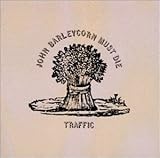 John Barleycorn Must Die
- Traffic's third studio album is also its third best, ranking below the band's superb second record (1968's Traffic) and its psychedelic debut (1968's Mr. Fantasy). The depth of those albums came from having two superior songwriters, Steve Winwood and Dave Mason; by John Barleycorn, Winwood was leading a trio that included Chris Wood on horns and Jim Capaldi on drums. Winwood now supplied guitar as well as keyboards, and songs such as "Glad" and "Freedom Rider" reflected the trio's fondness for instrumental jams. But the 1970 album is remembered most for the title tune, a traditional folk song blessed with one of the finest vocals of Winwood's long career. --John Milward
John Barleycorn Must Die
- Traffic's third studio album is also its third best, ranking below the band's superb second record (1968's Traffic) and its psychedelic debut (1968's Mr. Fantasy). The depth of those albums came from having two superior songwriters, Steve Winwood and Dave Mason; by John Barleycorn, Winwood was leading a trio that included Chris Wood on horns and Jim Capaldi on drums. Winwood now supplied guitar as well as keyboards, and songs such as "Glad" and "Freedom Rider" reflected the trio's fondness for instrumental jams. But the 1970 album is remembered most for the title tune, a traditional folk song blessed with one of the finest vocals of Winwood's long career. --John Milward
List Price: $11.98
Our Price: $5.20
More Info! |
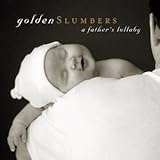 Golden Slumbers: A Father's Lullaby
- This is a real sleeper of an album, literally. Smooth-jazz musicians--including Peter White, Dave Koz, Norman Brown, David Benoit, and others--play music here to put babies to sleep. Fans of New Age music, specifically what came out of the Pacific Northwest in the '80s, may find many of these 14 tracks reminiscent of that period. Long-time listeners of smooth-jazz radio may be reminded of the kind of ethereal, spacey music that was played in the early days of the format. Many of the songs are as obvious as Brian Culbertson's somnambulating "Brahms' Lullaby" and Koz's "Twinkle, Twinkle Little Star," but some are inspired choices with creative arrangements and strong performances. Koz and his brother Jeff shine on the Beatles' title tune and the other Lennon/McCartney chestnut, "Blackbird." Brown's take on James Taylor's "You Can Close Your Eyes" is also moving, while not straying from the stillness of the concept. Perhaps the standout track is the superb performance of vocalist John Stoddart on Stevie Wonder's "Isn't She Lovely." --Mark Ruffin
Golden Slumbers: A Father's Lullaby
- This is a real sleeper of an album, literally. Smooth-jazz musicians--including Peter White, Dave Koz, Norman Brown, David Benoit, and others--play music here to put babies to sleep. Fans of New Age music, specifically what came out of the Pacific Northwest in the '80s, may find many of these 14 tracks reminiscent of that period. Long-time listeners of smooth-jazz radio may be reminded of the kind of ethereal, spacey music that was played in the early days of the format. Many of the songs are as obvious as Brian Culbertson's somnambulating "Brahms' Lullaby" and Koz's "Twinkle, Twinkle Little Star," but some are inspired choices with creative arrangements and strong performances. Koz and his brother Jeff shine on the Beatles' title tune and the other Lennon/McCartney chestnut, "Blackbird." Brown's take on James Taylor's "You Can Close Your Eyes" is also moving, while not straying from the stillness of the concept. Perhaps the standout track is the superb performance of vocalist John Stoddart on Stevie Wonder's "Isn't She Lovely." --Mark Ruffin
List Price: $18.98
Our Price: $9.43
More Info! |
 The Visit
- Mixing a variety of styles with a Celtic base, this was McKennitt's breakthrough album and remains one of her most musically interesting. "All Souls Night" begins the album, with dance-like rhythms and McKennitt's wonderful voice singing about the Celtic New Year. Other features include a musical setting of Tennyson's "Lady of Shalott", which, while not as sophisticated as Noyes' "The Highwayman" on The Book of Secrets, is an enchanting listen. There's also an interesting rendition of "Greensleeves" and the Spanish-flavored "Tango to Evora", as well as the haunting "Courtyard Lullaby" and the wistful "The Old Ways". A setting of words from Shakespeare's Cymbeline closes the album, which focuses thematically on life, death, and the borders between them. --Genevieve Williams
The Visit
- Mixing a variety of styles with a Celtic base, this was McKennitt's breakthrough album and remains one of her most musically interesting. "All Souls Night" begins the album, with dance-like rhythms and McKennitt's wonderful voice singing about the Celtic New Year. Other features include a musical setting of Tennyson's "Lady of Shalott", which, while not as sophisticated as Noyes' "The Highwayman" on The Book of Secrets, is an enchanting listen. There's also an interesting rendition of "Greensleeves" and the Spanish-flavored "Tango to Evora", as well as the haunting "Courtyard Lullaby" and the wistful "The Old Ways". A setting of words from Shakespeare's Cymbeline closes the album, which focuses thematically on life, death, and the borders between them. --Genevieve Williams
List Price: $18.98
Our Price: $4.25
More Info! |
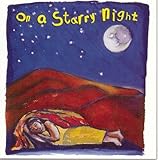 On a Starry Night
- The party line on most Windham Hill products seems to be that it's either the greatest stuff since wave machines, or that it all sounds alike. On a Starry Night, with its collection of world songs and reputable artists such as Flora Purim, Airto Moreira, the Turtle Island String Quartet, and others, does lean toward a seamlessly understated, homogeneous quality that is broken only occasionally by Bobby McFerrin's piece and a couple of others. That said, there can hardly be a more mellow or sonorous album of kid's music anywhere. Starry Night could calm a nursery with no nurses; why, it could even soothe the pained yelps at the dog pound--and turn a freeway full of bumper-to-bumper sour pusses into pussycats. Effective? You've heard of mind control, haven't you? --Martin Keller
On a Starry Night
- The party line on most Windham Hill products seems to be that it's either the greatest stuff since wave machines, or that it all sounds alike. On a Starry Night, with its collection of world songs and reputable artists such as Flora Purim, Airto Moreira, the Turtle Island String Quartet, and others, does lean toward a seamlessly understated, homogeneous quality that is broken only occasionally by Bobby McFerrin's piece and a couple of others. That said, there can hardly be a more mellow or sonorous album of kid's music anywhere. Starry Night could calm a nursery with no nurses; why, it could even soothe the pained yelps at the dog pound--and turn a freeway full of bumper-to-bumper sour pusses into pussycats. Effective? You've heard of mind control, haven't you? --Martin Keller
List Price: $7.99
Our Price: $5.12
More Info! |
 Down the Wire
- The patriarch of the famous aerialist family certainly knew what he was talking about after a lifetime of thrilling, edge-of-the-seat performances for his audiences. While the stakes might not be as high for a jazz band improvising in a recording studio or in front of a live audience, Spyro Gyra's leader and saxophonist Jay Beckenstein understands the passion that drives a person and makes "life on the wire" so appealing. Their new album, Down the Wire is a snapshot of Spyro Gyra's enduring dedication to walk along that wire.
Down the Wire
- The patriarch of the famous aerialist family certainly knew what he was talking about after a lifetime of thrilling, edge-of-the-seat performances for his audiences. While the stakes might not be as high for a jazz band improvising in a recording studio or in front of a live audience, Spyro Gyra's leader and saxophonist Jay Beckenstein understands the passion that drives a person and makes "life on the wire" so appealing. Their new album, Down the Wire is a snapshot of Spyro Gyra's enduring dedication to walk along that wire.For more than three decades, they have maintained a position at the forefront of modern jazz by successfully managing not just one, but several feats of creative dexterity. "That's what has kept this band going," says Beckenstein. "There are always balances to be found - between the individual player and the group, between the songwriter and the player. It's about both satisfying yourself and satisfying your audience. And when you're improvising in front of a crowd, you're really walking down that wire. There are always surprises that way, but our openness to those surprises is what makes this band what it is. We just happen to be walking on a slightly more forgiving tightrope." Asked where Down The Wire belongs in Spyro Gyra's substantial legacy, Beckenstein is quick to reply. "You know, everybody up on the wire knows one thing for sure," Beckenstein laughs. "The real trouble comes if you start looking behind you. The future's in front of you."
List Price: $18.98
Our Price: $10.22
More Info! |
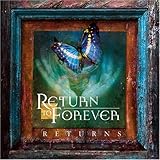 Returns 2CD
- 2009 two CD release. Return To Forever were at the forefront of Jazz/Rock fusion in the '70s and, like their contemporaries Weather Report and Mahavishnu Orchestra, were formed by a former Miles Davis sideman, in this case the great Chick Corea. Return To Forever hit their commercial and artistic peak with a string of albums in the mid-'70s featuring the line-up of Chick Corea on keyboards, Stanley Clarke on bass, Al Di Meola on guitar and Lenny White on drums. In 2008, this classic line-up reunited for their first tour in 25 years and proved that their musicianship and the chemistry within the band was as strong as ever. Eight tracks.
Returns 2CD
- 2009 two CD release. Return To Forever were at the forefront of Jazz/Rock fusion in the '70s and, like their contemporaries Weather Report and Mahavishnu Orchestra, were formed by a former Miles Davis sideman, in this case the great Chick Corea. Return To Forever hit their commercial and artistic peak with a string of albums in the mid-'70s featuring the line-up of Chick Corea on keyboards, Stanley Clarke on bass, Al Di Meola on guitar and Lenny White on drums. In 2008, this classic line-up reunited for their first tour in 25 years and proved that their musicianship and the chemistry within the band was as strong as ever. Eight tracks.
List Price: $19.98
Our Price: $11.99
More Info! |
|
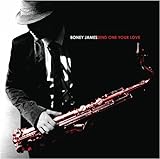 Send One Your Love
- Send One Your Love, a 10-track album of seductive love songs from sax icon Boney James, is the ultimate "musical valentine." It includes new James originals as well as covers from Stevie Wonder, Barry White, the Stylistics and more. This sensuous collection includes nine instrumental tracks plus a stunning cover of James Taylor's "Don't Let Me Be Lonely Tonight". On this track, Boney introduces the world to the incredible new R&B vocalist Quinn. Having previously done background vocals for the likes of Kelly Price and K-Ci & JoJo, Quinn was working as an Atlanta-based session singer. "I started asking friends if they knew a young singer who should be a star," Boney says. "I got Quinn's MP3 in an e-mail. The next day I flew him to L.A. and cut the track in two takes!"
Send One Your Love
- Send One Your Love, a 10-track album of seductive love songs from sax icon Boney James, is the ultimate "musical valentine." It includes new James originals as well as covers from Stevie Wonder, Barry White, the Stylistics and more. This sensuous collection includes nine instrumental tracks plus a stunning cover of James Taylor's "Don't Let Me Be Lonely Tonight". On this track, Boney introduces the world to the incredible new R&B vocalist Quinn. Having previously done background vocals for the likes of Kelly Price and K-Ci & JoJo, Quinn was working as an Atlanta-based session singer. "I started asking friends if they knew a young singer who should be a star," Boney says. "I got Quinn's MP3 in an e-mail. The next day I flew him to L.A. and cut the track in two takes!"
List Price: $18.98
Our Price: $10.22
More Info! |
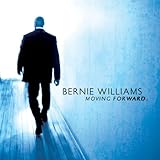 Moving Forward
- Critically acclaimed guitarist/songwriter, famed Yankee BERNIE WILLIAMS is set for his sophomore album MOVING FORWARD. The Puerto Rico native, classically-trained musician developed his love for playing guitar alongside baseball, while listening to salsa, merengue and 80s rock. Williams played his 16-year career with the New York Yankees where he was a 4x World Series Champion and a 5x All Star (also among the Yankees all-time leaders in every major batting category). This album features original instrumentals written/performed by Williams, playing alongside musicians such as Dave Weckl (drums), Mike Stern (guitar), Scott Henderson (guitar), Dave Koz (sax), Giovanni Hidalgo (percussion). A special collaboration with Jon Secada and a track with Bruce Springsteen, Patti Scialfa and Bernie performing Glory Days are included. MOVING FORWARD is co-produced by Williams and Loren Harriet - who also helmed Bernie's 2003 acclaimed debut The Journey Within, that debuted #3 on Billboard's Contemporary Jazz Album Chart, #8 on Heatseekers, while being the 11th best seller in New York that year.
Moving Forward
- Critically acclaimed guitarist/songwriter, famed Yankee BERNIE WILLIAMS is set for his sophomore album MOVING FORWARD. The Puerto Rico native, classically-trained musician developed his love for playing guitar alongside baseball, while listening to salsa, merengue and 80s rock. Williams played his 16-year career with the New York Yankees where he was a 4x World Series Champion and a 5x All Star (also among the Yankees all-time leaders in every major batting category). This album features original instrumentals written/performed by Williams, playing alongside musicians such as Dave Weckl (drums), Mike Stern (guitar), Scott Henderson (guitar), Dave Koz (sax), Giovanni Hidalgo (percussion). A special collaboration with Jon Secada and a track with Bruce Springsteen, Patti Scialfa and Bernie performing Glory Days are included. MOVING FORWARD is co-produced by Williams and Loren Harriet - who also helmed Bernie's 2003 acclaimed debut The Journey Within, that debuted #3 on Billboard's Contemporary Jazz Album Chart, #8 on Heatseekers, while being the 11th best seller in New York that year.
List Price: $14.98
Our Price: $8.99
More Info! |
 When I Fall in Love
- This is not the typical example of an artist from another genre jumping on the crowded standards-and-ballads bandwagon. When I Fall in Love instead represents an instrumental stylist busting out of a box to find a much more suitable platform for his craft. These tracks are the fruits of an obvious labor of love for everyone from the featured musicians to the arrangers to the engineers. The arrangers, particularly Billy Childs and Gil Goldstein, give Botti's trumpet a broad-brushed orchestral backdrop that allows him to emerge from the swirling strings and bouncy horns with bold strokes of creative improvising. Some tracks are obvious nods to Gil Evans and the lush arrangements of 1970s CTI recordings. Even the guest vocalists, Sting and Paula Cole, let his trumpet sing first before their respective cues on "La Belle Dame Sans Regrets" and "What'll I Do." The only blemish here is the obvious attempt at smooth jazz airplay with Sade's "No Ordinary Love." --Mark Ruffin
When I Fall in Love
- This is not the typical example of an artist from another genre jumping on the crowded standards-and-ballads bandwagon. When I Fall in Love instead represents an instrumental stylist busting out of a box to find a much more suitable platform for his craft. These tracks are the fruits of an obvious labor of love for everyone from the featured musicians to the arrangers to the engineers. The arrangers, particularly Billy Childs and Gil Goldstein, give Botti's trumpet a broad-brushed orchestral backdrop that allows him to emerge from the swirling strings and bouncy horns with bold strokes of creative improvising. Some tracks are obvious nods to Gil Evans and the lush arrangements of 1970s CTI recordings. Even the guest vocalists, Sting and Paula Cole, let his trumpet sing first before their respective cues on "La Belle Dame Sans Regrets" and "What'll I Do." The only blemish here is the obvious attempt at smooth jazz airplay with Sade's "No Ordinary Love." --Mark Ruffin
List Price: $9.99
Our Price: $6.00
More Info! |
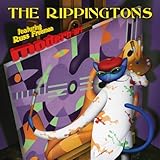 Modern Art
- When you think about contemporary music, there are very few bands that have had the lasting impression and impact that the Rippingtons featuring Russ Freeman have had. For over 20 years this band has been delighting audiences all over the world with their distinct, signature sound. Now with their 17th album, Russ Freeman has once again demonstrated why he is one of the true musical innovators in the contemporary jazz genre with Modern Art. Featuring a familiar "cast of characters", Modern Art once again showcases a unique musical style that was created many years ago and still sounds as fresh and new today as it did when they started. Soaring horns, melodic keyboards and driving percussion are all anchored by the intricate guitar styling of Freeman.
Modern Art
- When you think about contemporary music, there are very few bands that have had the lasting impression and impact that the Rippingtons featuring Russ Freeman have had. For over 20 years this band has been delighting audiences all over the world with their distinct, signature sound. Now with their 17th album, Russ Freeman has once again demonstrated why he is one of the true musical innovators in the contemporary jazz genre with Modern Art. Featuring a familiar "cast of characters", Modern Art once again showcases a unique musical style that was created many years ago and still sounds as fresh and new today as it did when they started. Soaring horns, melodic keyboards and driving percussion are all anchored by the intricate guitar styling of Freeman.
List Price: $18.98
Our Price: $12.98
More Info! |
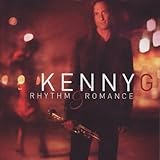 Rhythm & Romance
- Legendary saxophonist extraordinario Kenny G returns with this romantic collection of Latin music, featuring original songs and classic favorites. Contemporary love songs with a Latin twist!!! Kenny G: THE SMOOTH JAZZ KING!
Rhythm & Romance
- Legendary saxophonist extraordinario Kenny G returns with this romantic collection of Latin music, featuring original songs and classic favorites. Contemporary love songs with a Latin twist!!! Kenny G: THE SMOOTH JAZZ KING! Has SOLD MORE THAN 38 MILLION CDs in his career! He's been named the 25th ALL-TIME HIGHEST-SELLING ARTIST IN AMERICA by the RIAA GRAMMY AWARD WINNER! Has had 12 #1 BILLBOARD CONTEMPORARY JAZZ ALBUMS in his career
List Price: $18.98
Our Price: $10.22
More Info! |
 Fourplay: Live in Capetown
- The world's top contemporary jazz ensemble performs live in South Africa, blending their smooth jazz signature sound with large doses of pop, R&B and African beats!
Fourplay: Live in Capetown
- The world's top contemporary jazz ensemble performs live in South Africa, blending their smooth jazz signature sound with large doses of pop, R&B and African beats! SONGS: Galaxia - Chant -Blues Force - 101 Eastbound - Journey - Tally Ho - Amazing Grace - Max-O-Man - Bali Run - Fourplay in Cape Town FOURPLAY: Bob James - Keyboards Nathan East - Bass and Vocals Larry Carlton - Guitar Harvey Mason - Drums
List Price: $19.98
Our Price: $14.20
More Info! |
 Soul on Ten
- This stunning live recording captures legendary guitarist Robben Ford at his very best, perfectly displaying his unique style; one that combines, yet transcends, his roots in jazz, fusion, blues, soul and rock, distilling the past into the moment,and always with an eye on the future. "I wanted to capture that experience of playing live. "I find it has a lot more impact than a studio recording. Music is a living, breathing thing. Real art is timeless. It doesn't have a beginning and an end. It's all about the present moment," Ford says. Soul on Ten was Recorded Live at The Independent in San Francisco,CA throughout the month of April 2009.
Soul on Ten
- This stunning live recording captures legendary guitarist Robben Ford at his very best, perfectly displaying his unique style; one that combines, yet transcends, his roots in jazz, fusion, blues, soul and rock, distilling the past into the moment,and always with an eye on the future. "I wanted to capture that experience of playing live. "I find it has a lot more impact than a studio recording. Music is a living, breathing thing. Real art is timeless. It doesn't have a beginning and an end. It's all about the present moment," Ford says. Soul on Ten was Recorded Live at The Independent in San Francisco,CA throughout the month of April 2009.
The album includes Robben Ford's classics, as well as three brand new Robben Ford compositions.
List Price: $18.98
Our Price: $9.99
More Info! |
Golden Slumbers: A Father's Lullaby
- This is a real sleeper of an album, literally. Smooth-jazz musicians--including Peter White, Dave Koz, Norman Brown, David Benoit, and others--play music here to put babies to sleep. Fans of New Age music, specifically what came out of the Pacific Northwest in the '80s, may find many of these 14 tracks reminiscent of that period. Long-time listeners of smooth-jazz radio may be reminded of the kind of ethereal, spacey music that was played in the early days of the format. Many of the songs are as obvious as Brian Culbertson's somnambulating "Brahms' Lullaby" and Koz's "Twinkle, Twinkle Little Star," but some are inspired choices with creative arrangements and strong performances. Koz and his brother Jeff shine on the Beatles' title tune and the other Lennon/McCartney chestnut, "Blackbird." Brown's take on James Taylor's "You Can Close Your Eyes" is also moving, while not straying from the stillness of the concept. Perhaps the standout track is the superb performance of vocalist John Stoddart on Stevie Wonder's "Isn't She Lovely." --Mark Ruffin
List Price: $18.98
Our Price: $9.43
More Info! |
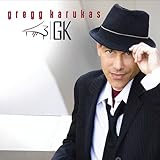 Gk
- Here's a little rundown of the "Guest List" for Gregg's 11th solo all original project:
Gk
- Here's a little rundown of the "Guest List" for Gregg's 11th solo all original project:
Rick Braun
Paul Brown
Luis Conte
Russ Freeman
Jessy J.
Pat Kelley
Michael O Neill
Michael Paulo
Ricardo Silveira
List Price: $16.98
Our Price: $10.95
More Info! |
 The Mirror Conspiracy
- 2000 release for the extremely talented and unsung DJ duo. An amalgamation of reggae dubplates, lounge muzak, breaks, beats and bossanova. 2000 release. Standard jewel case with slipcase.Washington, D.C.'s Thievery Corporation purvey a very mellow, deliberately international mixture of sounds that might be called "lounge music"--not in the kitschy sense, but in the sense of a laid-back local bar (much like the one the duo happens to run) with no dance floor. Rob Garza and Eric Hilton are professed admirers of Brazilian music, and they're determined to inject as much warmth into electronic music as possible. The Mirror Conspiracy is quite a musical travelogue, starting in Jamaica with "Treasures." This dubby opening track, which features vocalist Brother Jack, is quite reminiscent of the start of Swayzak's Himawari. Next up is "Le Monde," a quiet, wah-wah-inflected song featuring a chanteuse named Lou Lou. She reappears later on the somewhat more uptempo "Shadows of Ourselves," which, despite the title, is also sung in French. "The Hong Kong Triad" sounds like a tip of the hat to Shaft-styled soundtrack music. Elsewhere, it's off to India for two sitar-flavored tracks with a similarly laidback groove that gets a bit closer to techno, one of which, "Lebanese Blonde" (hash? a woman?), has been released as a single. Brazil gets its due on the densely percussive "Air Batucada," the more bossa nova-like "So Com Voce," and an instrumental titled "Samba Tranquille." Fans of this style are sure to be pleased. --Bob Bannister
The Mirror Conspiracy
- 2000 release for the extremely talented and unsung DJ duo. An amalgamation of reggae dubplates, lounge muzak, breaks, beats and bossanova. 2000 release. Standard jewel case with slipcase.Washington, D.C.'s Thievery Corporation purvey a very mellow, deliberately international mixture of sounds that might be called "lounge music"--not in the kitschy sense, but in the sense of a laid-back local bar (much like the one the duo happens to run) with no dance floor. Rob Garza and Eric Hilton are professed admirers of Brazilian music, and they're determined to inject as much warmth into electronic music as possible. The Mirror Conspiracy is quite a musical travelogue, starting in Jamaica with "Treasures." This dubby opening track, which features vocalist Brother Jack, is quite reminiscent of the start of Swayzak's Himawari. Next up is "Le Monde," a quiet, wah-wah-inflected song featuring a chanteuse named Lou Lou. She reappears later on the somewhat more uptempo "Shadows of Ourselves," which, despite the title, is also sung in French. "The Hong Kong Triad" sounds like a tip of the hat to Shaft-styled soundtrack music. Elsewhere, it's off to India for two sitar-flavored tracks with a similarly laidback groove that gets a bit closer to techno, one of which, "Lebanese Blonde" (hash? a woman?), has been released as a single. Brazil gets its due on the densely percussive "Air Batucada," the more bossa nova-like "So Com Voce," and an instrumental titled "Samba Tranquille." Fans of this style are sure to be pleased. --Bob Bannister
List Price: $15.98
Our Price: $8.97
More Info! |
 Simple Things
- 2001 debut full length for dance act described as, 'the British Air', the follow-up to two limited, critically acclaimed EPs. Highlights include the awesome African influenced instrumental passage 'Likufanele', the velvety 'I Have Seen' feat. Mozez & the quiet storm of 'Destiny' feat. Sia. Quango.Zero 7's ability to conjure beautiful lullabies with all the romance of 1960s French pop (as found on their debut LP, Simple Things) would have made them the toast of soundtrack composers and chill-out connoisseurs the world over. Unfortunately, two Frenchmen beat Henry Binns and Sam Hardaker to the title of "masters of comedown cool," leaving the London duo to be forever called "the British Air." And this is fair; the similarities between Zero 7's lush cinematic soundscapes and those of Air's Moon Safari and the Virgin Suicides score are so strong as to sound almost intentional. Nonetheless, their debut is a truly gorgeous album. It has all the tried and tested atmospheric tricks--bleeps and whooshes layered over plodding Fender Rhodes chords, swathes of strings and tender trumpet parps--but it's Binns and Hardaker's languid grooves and the soft melancholy of their melodies that make dream-state instrumentals "Give It Away" and "Polaris" utterly enchanting. The real power of Simple Things, however, is in its songs. As beautiful as the ambient strains are, when laid beneath the seductive vocals of Australian diva Sia on the ethereal "Destiny" or the heart-breaking "Distractions," their potency becomes apparent. --Dan Gennoe
Simple Things
- 2001 debut full length for dance act described as, 'the British Air', the follow-up to two limited, critically acclaimed EPs. Highlights include the awesome African influenced instrumental passage 'Likufanele', the velvety 'I Have Seen' feat. Mozez & the quiet storm of 'Destiny' feat. Sia. Quango.Zero 7's ability to conjure beautiful lullabies with all the romance of 1960s French pop (as found on their debut LP, Simple Things) would have made them the toast of soundtrack composers and chill-out connoisseurs the world over. Unfortunately, two Frenchmen beat Henry Binns and Sam Hardaker to the title of "masters of comedown cool," leaving the London duo to be forever called "the British Air." And this is fair; the similarities between Zero 7's lush cinematic soundscapes and those of Air's Moon Safari and the Virgin Suicides score are so strong as to sound almost intentional. Nonetheless, their debut is a truly gorgeous album. It has all the tried and tested atmospheric tricks--bleeps and whooshes layered over plodding Fender Rhodes chords, swathes of strings and tender trumpet parps--but it's Binns and Hardaker's languid grooves and the soft melancholy of their melodies that make dream-state instrumentals "Give It Away" and "Polaris" utterly enchanting. The real power of Simple Things, however, is in its songs. As beautiful as the ambient strains are, when laid beneath the seductive vocals of Australian diva Sia on the ethereal "Destiny" or the heart-breaking "Distractions," their potency becomes apparent. --Dan Gennoe
List Price: $17.98
Our Price: $12.40
More Info! |
 The Cosmic Game
- The most fully-realized Thievery set to date, their fourth studio record packs an all-star punch, with cameos by FLAMING LIPS, PERRY FARRELL, DAVID BYRNE, and more of their usually lovely futuristic bossa/lounge/downtempo sound. Check out ThieveryCorporation.com to launch soon.There's always been a psychedelic edge to Rob Garza and Eric Hilton's Thievery Corporation project. 2000's Mirror Conspiracy is a downtempo classic precisely because of its druggy expansiveness; sober listeners and saucer-eyed trippers alike could find common ground. Similarly esoteric and nocturnal, The Cosmic Game floats around the room on a wave of mystic beats and guest vocals from Perry Farrell, The Flaming Lips' Wayne Coyne, and David Byrne. Garza and Hilton are less devoted to non-electronic sources here than they were on The Richest Man in Babylon or The Outernational Sound, though their fascination with dub rhythms and world music remains intact. A fair amount of armchair travel is involved as you go from the late, late-night, beach-club-in-Jamaica sound of "Amerimacka," to the Brazilian percussion of "Ambicion Eterna" and "Pela Janela." But more than anything, the record feels like a return to the duo's own ethereal sonic roots. It's a nice blend of their music over the last half-decade for longtime fans, and a hazy glide down the rabbit hole for newcomers. --Matthew Cooke
The Cosmic Game
- The most fully-realized Thievery set to date, their fourth studio record packs an all-star punch, with cameos by FLAMING LIPS, PERRY FARRELL, DAVID BYRNE, and more of their usually lovely futuristic bossa/lounge/downtempo sound. Check out ThieveryCorporation.com to launch soon.There's always been a psychedelic edge to Rob Garza and Eric Hilton's Thievery Corporation project. 2000's Mirror Conspiracy is a downtempo classic precisely because of its druggy expansiveness; sober listeners and saucer-eyed trippers alike could find common ground. Similarly esoteric and nocturnal, The Cosmic Game floats around the room on a wave of mystic beats and guest vocals from Perry Farrell, The Flaming Lips' Wayne Coyne, and David Byrne. Garza and Hilton are less devoted to non-electronic sources here than they were on The Richest Man in Babylon or The Outernational Sound, though their fascination with dub rhythms and world music remains intact. A fair amount of armchair travel is involved as you go from the late, late-night, beach-club-in-Jamaica sound of "Amerimacka," to the Brazilian percussion of "Ambicion Eterna" and "Pela Janela." But more than anything, the record feels like a return to the duo's own ethereal sonic roots. It's a nice blend of their music over the last half-decade for longtime fans, and a hazy glide down the rabbit hole for newcomers. --Matthew Cooke
List Price: $15.98
Our Price: $9.48
More Info! |
 Travelling Without Moving
- Adding pop savvy to their soul-disco mix, Jamiroquai grabbed the attention of MTV and Top 40 radio and won a Grammy with this platinum-selling album, their third. It's a fine record, with warm keyboards, sweet strings, and irrepressible grooves grounding Jay Kay's sublime vocals and fueling the hits ("Virtual Insanity," "Cosmic Girl," the title track). That voice--elastic, jazzy--is the fire of the band, but immaculate guitar sounds, snappy backup vocals, and clever old-school soul samples (Eddie Harris on "Alright," Esther Phillips on "High Times") are the details that create perfection. Balancing the dance-ready, radio-friendly tracks are the ballads "Everyday" and "Spend a Lifetime," the reggae-styled "Drifting Along," and a couple of didjeridoo instrumentals. --Suzanne McElfresh
Travelling Without Moving
- Adding pop savvy to their soul-disco mix, Jamiroquai grabbed the attention of MTV and Top 40 radio and won a Grammy with this platinum-selling album, their third. It's a fine record, with warm keyboards, sweet strings, and irrepressible grooves grounding Jay Kay's sublime vocals and fueling the hits ("Virtual Insanity," "Cosmic Girl," the title track). That voice--elastic, jazzy--is the fire of the band, but immaculate guitar sounds, snappy backup vocals, and clever old-school soul samples (Eddie Harris on "Alright," Esther Phillips on "High Times") are the details that create perfection. Balancing the dance-ready, radio-friendly tracks are the ballads "Everyday" and "Spend a Lifetime," the reggae-styled "Drifting Along," and a couple of didjeridoo instrumentals. --Suzanne McElfresh
List Price: $7.99
Our Price: $4.62
More Info! |
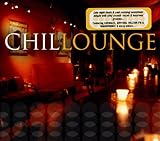 Chillounge
- With late night beats and cool morning sensations as downtempo excursions mingle with silky beats and luxurious grooves. This soulful journey into a world of chilled electronica, nu-jazz rhythems and smooth sensual vocals forcuses on some of today's top vibrant artists from around the world.
Chillounge
- With late night beats and cool morning sensations as downtempo excursions mingle with silky beats and luxurious grooves. This soulful journey into a world of chilled electronica, nu-jazz rhythems and smooth sensual vocals forcuses on some of today's top vibrant artists from around the world.
List Price: $16.98
Our Price: $11.84
More Info! |
 Boulevard: New Version: The Complete Series
- Originally released in 1995, Boulevard sold over 300,000 copies worldwide, was elected Record of the Year in England and served as a cornerstone for a legion of artists and producers interested in trying to capture its elusive and sexy grooves. Boulevard, new version the complete series includes two special extra songs, including the rare early hit "Alabama Blues," both taken from 1999’s From Detroit to St. Germain, a compilation of cuts recorded over seven years.
Boulevard: New Version: The Complete Series
- Originally released in 1995, Boulevard sold over 300,000 copies worldwide, was elected Record of the Year in England and served as a cornerstone for a legion of artists and producers interested in trying to capture its elusive and sexy grooves. Boulevard, new version the complete series includes two special extra songs, including the rare early hit "Alabama Blues," both taken from 1999’s From Detroit to St. Germain, a compilation of cuts recorded over seven years.
List Price: $13.98
Our Price: $10.31
More Info! |
 Tales from the Beach
- 2008 album from the Acid Jazz favorites. Tales From The Beach, recorded in Italy, Germany, Indonesia, London, and mixed in Jakarta, is an album of 15 refreshing and uplifting songs. Each of the tracks are beautifully crafted; with guest vocals from Maysa Leak (I've Been Waiting') and Tony Momrelle, who turns in a stunning vocal on 'When The Sun Comes Down'. Other highlights including the four-to-the-floor stomper, 'Step Aside' and 'N.O.T.', an Acid Jazz-flavored track with horns reminiscent of the Average White Band
Tales from the Beach
- 2008 album from the Acid Jazz favorites. Tales From The Beach, recorded in Italy, Germany, Indonesia, London, and mixed in Jakarta, is an album of 15 refreshing and uplifting songs. Each of the tracks are beautifully crafted; with guest vocals from Maysa Leak (I've Been Waiting') and Tony Momrelle, who turns in a stunning vocal on 'When The Sun Comes Down'. Other highlights including the four-to-the-floor stomper, 'Step Aside' and 'N.O.T.', an Acid Jazz-flavored track with horns reminiscent of the Average White Band
List Price: $18.98
Our Price: $12.64
More Info! |
 Ma Fleur
- The stunning new album from The Cinematic Orchestra.
Ma Fleur
- The stunning new album from The Cinematic Orchestra.
Featuring "To Build A Home" (w/ Patrick Watson). As heard on ABC's
Grey's Anatomy.
A "stellar piece of work . . . Just try to make it through the
closing "To Build a Home" without losing your breath." SF Chronicle
"Yet another brilliant release . . .Solid beats, lush arrangements,
great vocals - what more can you ask for?" **** URB
Soul Power at its deepest and most profound. Capable of real
wonder. **** Mojo
A Remarkable album. **** UncutCinematic Orchestra's fourth studio album, Ma Fleur soars from start to finish. The disc opens with the all-too-brief "That Home" which showcases a new guest vocalist brought into the Orchestra clan, Montreal native Patrick Watson whose Coldplay-meets-Jeff-Buckley fragility fits inside the folds of the sparse melody perfectly; his contribution to the sweeping soundscape of closer "To Build a Home" proves equally spectacular, adding an increased vulnerability and richness to the music. "Time and Space," featuring enigmatic Lamb frontwoman Lou Rhodes, offers the perfect combination of vocal ache with the lushness of cello and violin, eventually expanding into a full contemporary-classical-meets-downtempo vibe. Former contributing vocalist Fontella Bass once again brings her timeless soul to the mix ("Breathe" and "Familiar Ground") which will delight longtime fans of the U.K. band. Fans of Cinematic Orchestra's more upbeat hip-hop and jazz numbers from previous releases will discover that there is nothing especially uptempo on this disc; in certain respects, the evenness of Zero 7 discs may provide a more apt comparison, contextually. While that may frustrate some, the power of Ma Fleur from beginning to end is a holistic package of sensuality and softness that makes for a nearly perfect, perfectly timeless release. --Denise Sheppard
List Price: $15.98
Our Price: $11.28
More Info! |
|

 amazon.com
 amazon.uk
 amazon.ca
 amazon.fr
 amazon.de
 amazon.jp
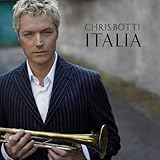 Italia
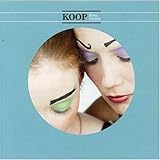 Koop Islands
 Brasil Precisa Balancar